


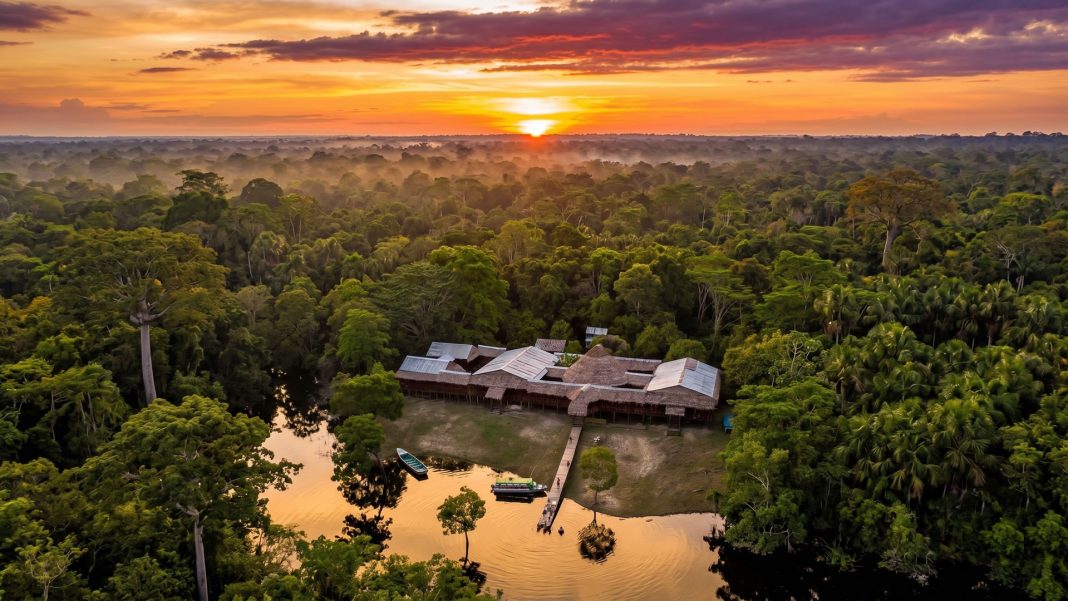
Descubriendo la Amazonía Peruana: El valor de la cuenca del Tahuayo y Loreto ante los ojos del turismo internacional
En el marco de las iniciativas para proyectar la riqueza natural de Loreto hacia el mundo e impulsar el turismo sostenible, presentamos este reportaje especial en inglés dirigido al viajero internacional, acompañado de su versión en español para nuestros lectores regionales. El artículo explora la biodiversidad de la cuenca del río Tahuayo y el impacto del ecoturismo comunitario.
Exploring the Untouched Rainforest Peru: A Journey Beyond the Ordinary
When adventurous travelers envision the ultimate Rainforest Peru experience, they picture endless canopies of emerald green, winding blackwater rivers, and a symphony of wildlife echoing through the ancient trees. While many popular tourist circuits offer a brief glimpse into this vast ecosystem, the true heart of the jungle lies deeper. For those willing to venture beyond the standard routes, the northern Amazon presents an unparalleled opportunity to witness nature in its most pristine, undisturbed state.
The Gateway to the Wild: Iquitos and the Loreto Region To truly understand the scale of the Amazon, one must look to Loreto, the largest and most northern region of Peru. Covering nearly a third of the country’s entire territory, this massive expanse of jungle is defined by the mighty Amazon River and its countless tributaries. Unlike other rainforest destinations that have succumbed to heavy commercialization and road networks, Loreto remains deeply authentic and delightfully isolated.
The vibrant capital of this region is Iquitos, famously known as the largest city in the world that cannot be reached by road. Accessible only by riverboat or airplane, Iquitos serves as the pulsing gateway to the deep jungle. The city itself is a fascinating blend of indigenous culture, colonial rubber-boom architecture, and bustling riverfront markets. However, while Iquitos offers a captivating cultural introduction, the real magic begins once you board a boat and leave the city limits behind, navigating toward the protected reserves where the authentic Rainforest Peru experience awaits.
Discovering the Tahuayo River Basin While many tourists flock to the well-trodden paths immediately surrounding the city, seasoned explorers set their sights on the Tahuayo River. Located south of the main Amazon artery, the Tamshiyacu-Tahuayo Regional Conservation Area is a vast, protected haven that remains one of the Amazon’s best-kept secrets.
What makes the Tahuayo basin so extraordinary is its unique geography. It features a dynamic blend of terra firme (high, non-flooded forest) and igapó (flooded forest). This dual ecosystem creates a hyper-diverse habitat that supports an astonishing density of flora and fauna, far away from the noise and heavy boat traffic of more commercialized zones.
Unmatched Biodiversity in the Heart of the Amazon A well-planned expedition into this specific sector of Rainforest Peru guarantees wildlife encounters that feel entirely organic rather than staged. The Tahuayo region is globally recognized for its record-breaking biodiversity, making it a premier destination for serious nature lovers, bird watchers, and wildlife photographers.
- Primates: The reserve is famous for its thriving monkey populations. Hikers exploring the deep trails can spot the elusive Bald Uakari (known for its bright red face), the tiny Pygmy Marmoset, agile Capuchin monkeys, and hear the territorial calls of Howler Monkeys resonating through the dawn mist.
- Aquatic Wonders: Navigating the quiet blackwater creeks of the Tahuayo offers the rare chance to respectfully observe the mythical Amazon pink river dolphins (Boto) and gray dolphins as they hunt for fish along the riverbanks.
- Avian and Amphibian Life: From prehistoric-looking Hoatzin birds and vibrant macaws to the intensely colored poison dart frogs resting on giant Ceiba tree roots, the visual spectacle is constant.
Sustainable Exploration and Eco-Tourism As global awareness regarding environmental conservation grows, responsible tourism has never been more critical. Exploring Rainforest Peru must be done in a way that protects the delicate ecosystem and directly empowers the local indigenous communities who have served as the forest’s stewards for generations.
To experience this breathtaking region ethically and comfortably, travelers are increasingly turning to specialized, locally operated eco-lodges. For an immersive and highly responsible expedition, Amazon Tahuayo Paradise offers a premier gateway into this pristine wilderness. By blending sustainable eco-comfort with 100% native local guides, they ensure that every trek, canoe ride, and night safari not only delivers a world-class adventure but also actively contributes to the preservation of the Tahuayo basin.
Planning Your Expedition An authentic Rainforest Peru journey is not a standard vacation; it is a profound immersion into the lungs of the Earth. When planning your trip to the Loreto region, allocate at least four to six days to fully disconnect. The jungle operates on its own time—a rhythm dictated by the rising sun, the shifting river levels, and the active hours of the wildlife.
By bypassing the crowded tourist traps of Iquitos and venturing directly into the protected depths of the Tahuayo Reserve, you guarantee yourself an adventure marked by raw natural beauty, absolute tranquility, and memories that will last a lifetime.
Explorando la Selva Peruana Virgen: Un Viaje Más Allá de lo Convencional
Cuando los viajeros intrépidos imaginan la experiencia definitiva en la selva del Perú, visualizan copas de árboles infinitas en tonos esmeralda, serpenteantes ríos de aguas negras y una sinfonía de vida silvestre resonando entre árboles centenarios. Si bien muchos circuitos turísticos populares ofrecen apenas un vistazo superficial a este vasto ecosistema, el verdadero corazón de la jungla yace a mayor profundidad. Para quienes buscan ir más allá de las rutas comerciales, la Amazonía norte representa una oportunidad inigualable para presenciar la naturaleza en su estado más puro y virgen.
La Puerta de Entrada a la Selva: Iquitos y la Región Loreto
Para dimensionar la magnitud de la Amazonía es imprescindible mirar hacia Loreto, la región más extensa y septentrional del Perú. Abarcando casi un tercio del territorio nacional, esta colosal extensión verde está definida por el imponente río Amazonas y sus incontables afluentes. A diferencia de otros destinos amazónicos que han cedido ante la urbanización excesiva y las redes de carreteras, Loreto conserva un aislamiento genuino y fascinante.
Su capital es Iquitos, reconocida mundialmente como la ciudad más grande del planeta a la que no es posible acceder por carretera. Conectada exclusivamente por vía aérea o fluvial, Iquitos actúa como el epicentro de acceso a la selva profunda. La urbe reúne herencia indígena, vestigios arquitectónicos de la época del caucho y un dinámico comercio ribereño. No obstante, aunque la ciudad brinda una introducción cultural valiosa, la verdadera inmersión comienza al embarcarse río abajo, dirigiéndose hacia las áreas protegidas donde aguarda la experiencia viva de la selva.
El Descubrimiento de la Cuenca del Río Tahuayo
Mientras el turismo convencional se concentra en las zonas más transitadas cerca de la ciudad, los exploradores experimentados navegan hacia el río Tahuayo. Situada al sur del cauce principal del Amazonas, el Área de Conservación Regional Comunal Tamshiyacu Tahuayo constituye un refugio protegido de alto valor ecológico.
La cuenca del Tahuayo destaca por una geografía excepcional: combina bosque de tierra firme (no inundable) con bosques inundables de igapó. Esta convergencia ambiental propicia una densidad biológica sobresaliente, alejada del ruido de embarcaciones mayores y de la saturación de visitantes.
Biodiversidad Excepcional en el Corazón de la Amazonía
Una expedición planificada en este sector garantiza avistamientos de fauna en su dinámica silvestre natural, sin alteraciones artificiales. La cuenca del Tahuayo registra niveles notables de biodiversidad, convirtiéndose en un punto estratégico para biólogos, observadores de aves y fotógrafos de naturaleza.
- Primates: La reserva alberga poblaciones saludables de monos. En sus senderos es posible observar al escurridizo Huapo Colorado (reconocible por su rostro rojo intenso), al tití pigmeo (el mono más pequeño del mundo), a grupos de capuchinos y escuchar al mono aullador marcando territorio al amanecer.
- Fauna Acuática: Recorrer las tranquilas quebradas de aguas negras brinda la oportunidad de avistar con respeto al delfín rosado del Amazonas y al delfín gris mientras se alimentan en las orillas.
- Aves y Anfibios: Desde el singular shansho (hoatzin) y las bandadas de guacamayos hasta ranas dardo venenosas sobre las raíces de grandes ceibas, la variedad biológica es permanente.
Sostenibilidad y Ecoturismo Comunitario
En un contexto global donde el cuidado medioambiental resulta urgente, el turismo debe ejercerse protegiendo el entorno e impulsando directamente a las poblaciones ribereñas, guardianas tradicionales del bosque.
Para recorrer este territorio de manera consciente y confortable, la opción más sólida radica en lodges sostenibles gestionados en estrecha alianza con la comunidad. Iniciativas locales como Amazon Tahuayo Paradise integran cabañas ecológicas con el liderazgo de guías nativos, asegurando que cada expedición, caminata nocturna o navegación en canoa contribuya activamente a la protección de los recursos de la cuenca y al bienestar de sus familias.
Planificación del Viaje
Internarse en la selva de Loreto no es una excursión ordinaria; es una inmersión completa en uno de los pulmones del planeta. Para recorrer la cuenca del Tahuayo se aconseja programar estancias de cuatro a seis días para sincronizarse con el pulso del río y los horarios naturales de la fauna. Priorizar las reservas protegidas frente a las zonas urbanizadas asegura una experiencia de conservación auténtica, silenciosa y memorable.
Sobre el Autor:
Artículo elaborado por el equipo de difusión ambiental de Amazon Tahuayo Paradise, lodge ecológico enfocado en la conservación, el desarrollo comunitario y expediciones sostenibles en la cuenca del río Tahuayo, Loreto. Más información sobre sus programas de ecoturismo en amazontahuayoparadise.com.